
Some filters could not be applied and were reset.
-
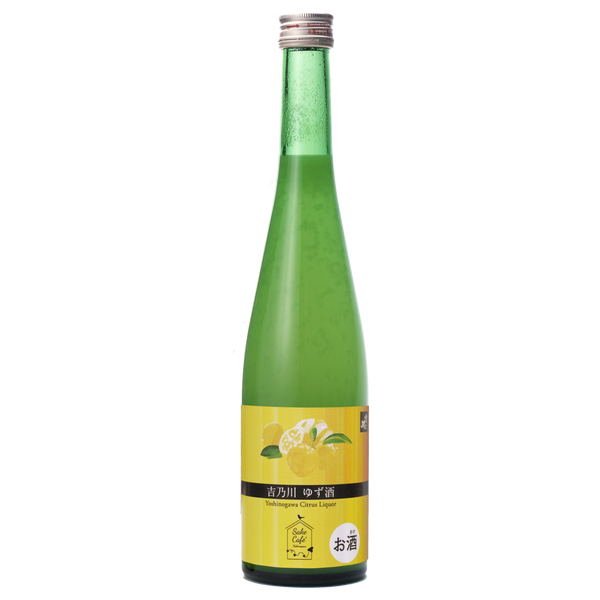 Yoshinogawa Yuzushu NV 500ml $50.00
-
 Hombo Shuzo Joto Chiran-Cha Umeshu 720ml $62.00
-
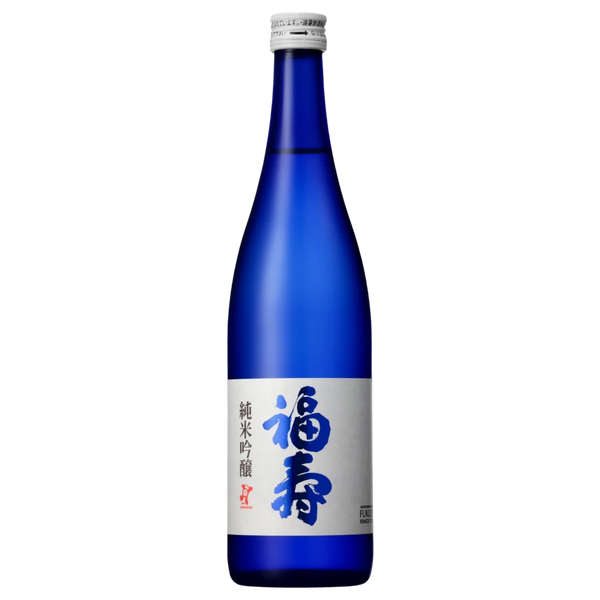 Fukuju Junmai Ginjo 720ml $81.00
-
 NV Houraisen Wa Junmai Ginjo NV 720ml $80.00
-
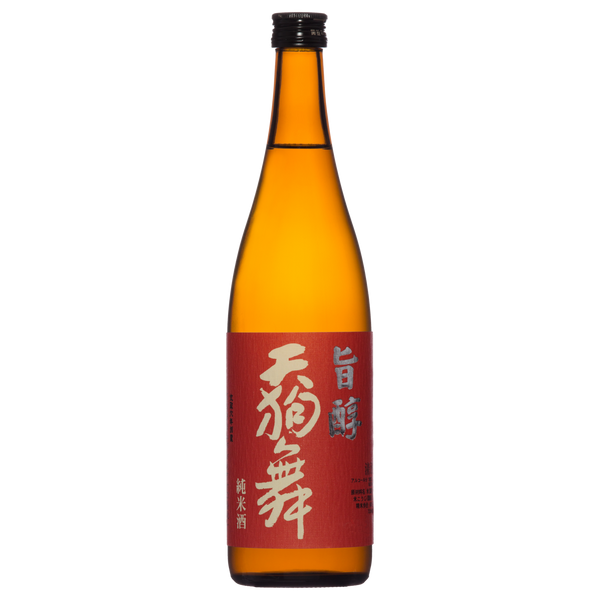 Tengumai Umajun Junmai 720ml $37.00
-
 Houraisen Akai 'Red Rice' Junmai 720ml $135.00
-
 Amanoto Tenkuro Junmai Genshu 720ml $81.00
-
 Amanoto Junmai Ginjo NV 720ml $73.00
-
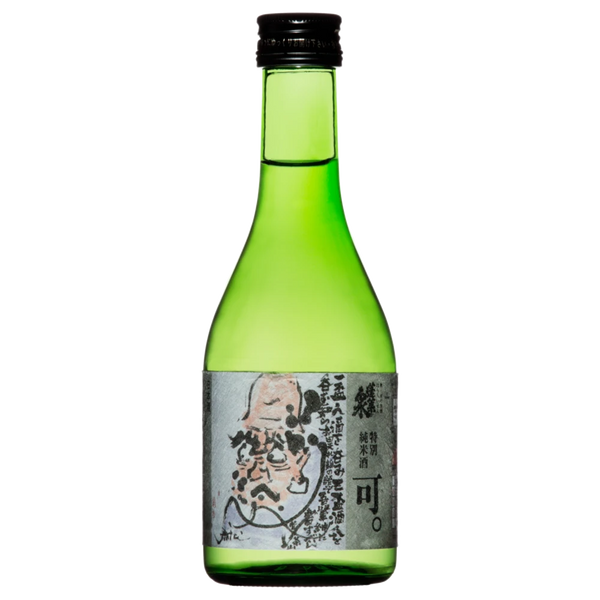 Houraisen Beshi Tokubetsu Junmai NV 300ml $30.00
-
 Dewazakura Karesansui Tokubetsu Junmai 10Yo NV 720mL $132.00
-
 Amanoto Junmai Daiginjo 35 720ml $139.00
-
 NV Houraisen Ao Shiso Kaoru Umeshu NV 720ml $82.00
-
 Shichida Junmai 720ml $72.00
-
 Shichida Junmai Ginjo 720ml NV $85.00
-
 NV Houraisen Beshi Tokebetsu Junmai NV 720ml $67.00
-
 NV Dewazakura Dewa Sansan Junmai Ginjo NV 1800ml $148.00
-
 Houraisen Bi Junmai Daiginjo 300ml $49.00
-
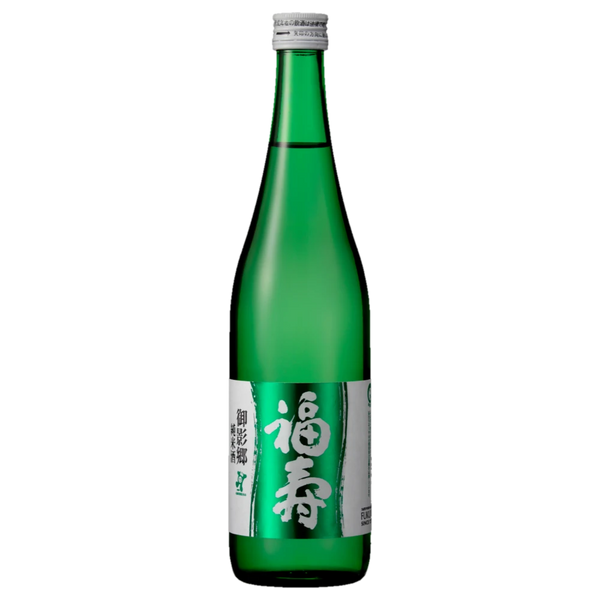 Fukuju Junmai 720ml $65.00
-
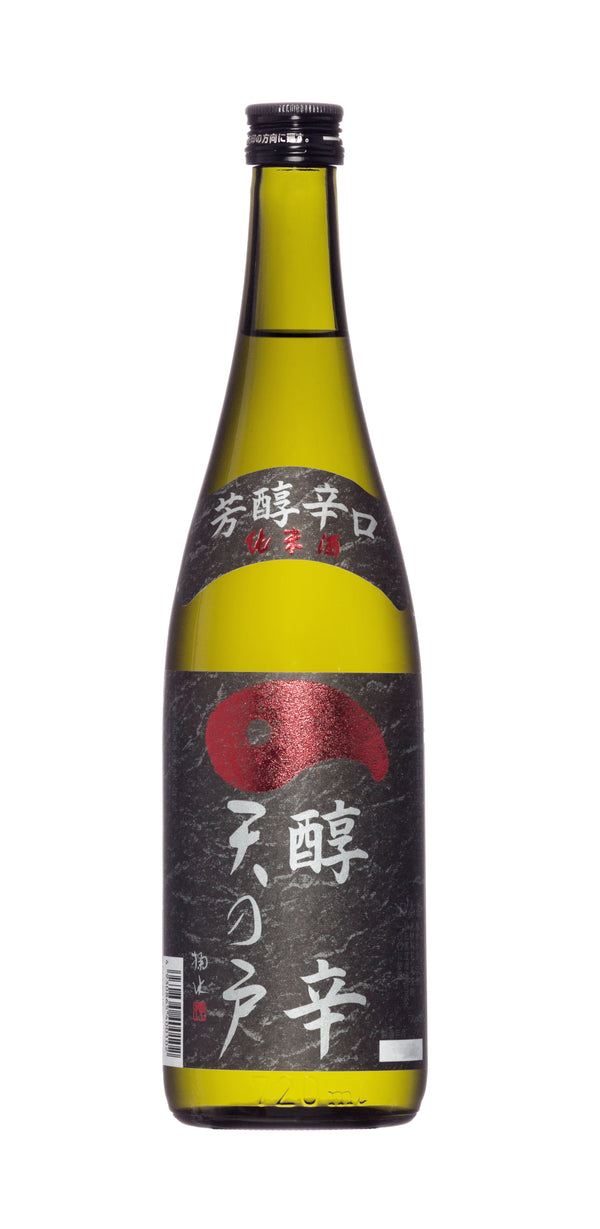 Amanoto Junkara Junmai 720ml $61.00
-
 Houraisen Kuu Junmai Daiginjo 1800ml $306.00
-
 NV Kenbishi Mizuho Junmai NV 720ml $87.00
-
 Dewazakura Junmai Ginjo Omachi NV 720mL $87.00
-
 Amanoto Junkara Junmai 300ml 6 Pack $162.00
-
 NV Dewazakura Junmai DaiginjoYukimegami 48 720ml $83.00


Sake is a traditional Japanese rice wine that is made from fermented rice, water, and a type of mould called koji. Sake is typically around 15-20% alcohol by volume (ABV) and has a light, crisp flavour profile with hints of fruit, rice, and earthy undertones.
Sake is produced using a multi-step process that involves polishing the rice to remove the outer layers, steaming the rice, adding koji to ferment the rice, and then brewing the mixture with yeast and water. The final product is then filtered and sometimes pasteurised before being bottled.
Sake is often enjoyed with Japanese cuisine, particularly sushi and other raw fish dishes, and is also used in a number of traditional Japanese rituals and ceremonies. There are many different types of sake, ranging from light and crisp to full-bodied and rich, and each type is often paired with specific types of food.
Sake is traditionally served warm, although some types can also be served chilled. It is widely produced in Japan, with significant production in the regions of Kyoto and Niigata.
In recent years, sake has become increasingly popular outside of Japan and is now widely available in many countries around the world. There are also a number of premium and artisanal sake producers, who focus on producing high-quality, small-batch sakes using traditional methods and locally sourced ingredients.
