

Some filters could not be applied and were reset.
-
 Sold out Barone Ricasoli Albia Toscana IGT Rose 2024 6 Pack $186.00
-
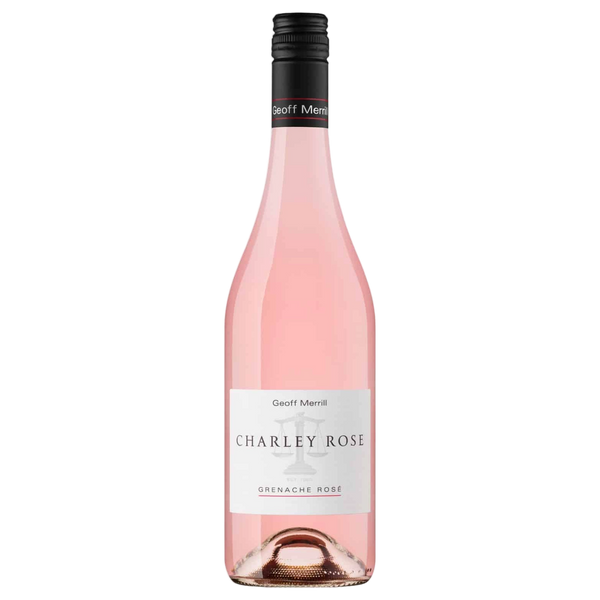 Geoff Merrill Charley Rose Grenache Rose 2025 12 Pack $288.00
-
 Amelia Park Trellis Rose 2025 6 Pack $138.00
-
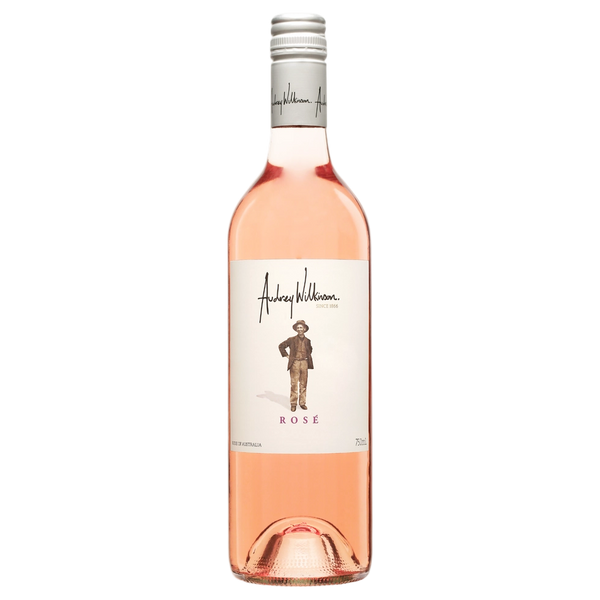 Audrey Wilkinson Rose 2025 6 Pack $162.00
-
 2025 Tread Softly South Australian Rose 6 Pack $96.00
-
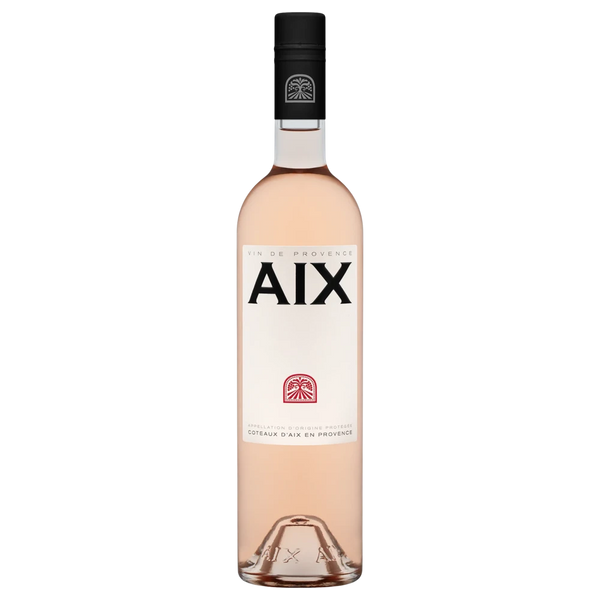 2025 Maison Saint Aix Dry Rose 6 Pack $252.00
-
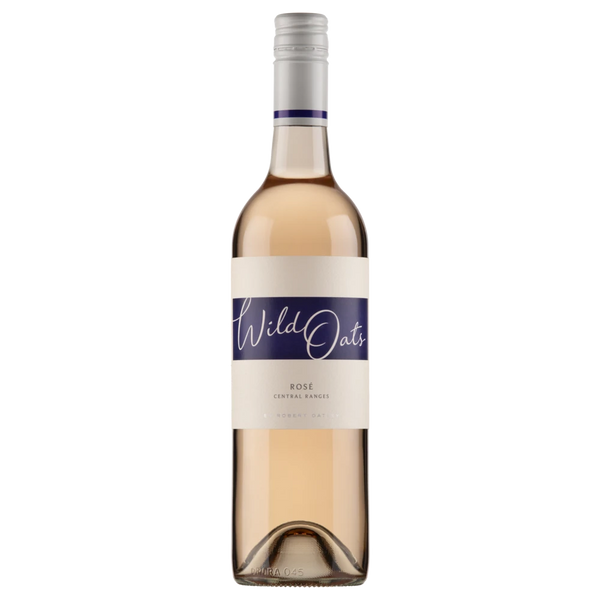 2025 Wild Oats Rose 6 Pack $132.00
-
 2024 ARA Single Estate Marlborough Rose 6 Pack $150.00
-
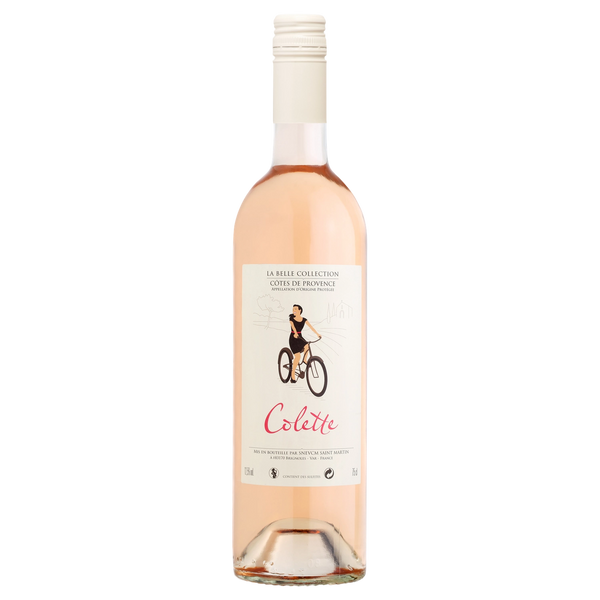 Sold out 2024 La Belle Collection by Chateau Saint Martin Cuvee Colette Rose 6 Pack $210.00
-
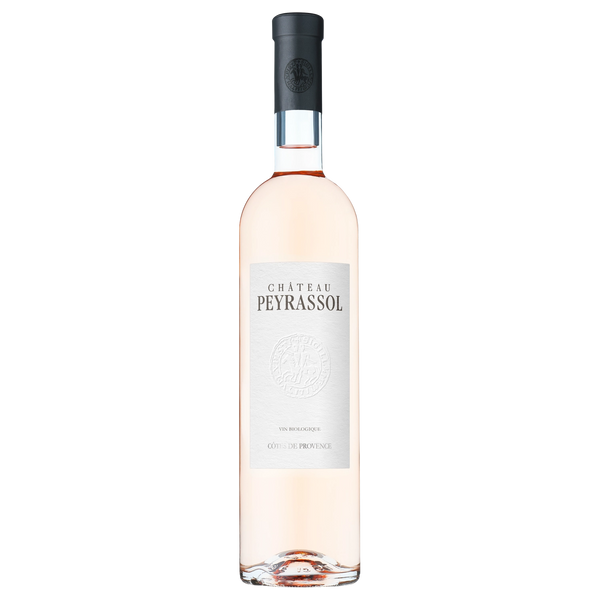 2023 Peyrassol Chateau Peyrassol Cotes de Provence $71.00
-
 Sold out 2025 Craggy Range Hawkes Bay Rose 6 Pack $234.00
-
 2023 Bodegas Exopto Bozeto de Exopto Rosado $33.00
-
 Sold out 2023 Chateau St Martin Grande Reserve Rose 6 Pack $378.00
-
 2023 Rabbit Ranch Rosé 6 Pack $216.00
-
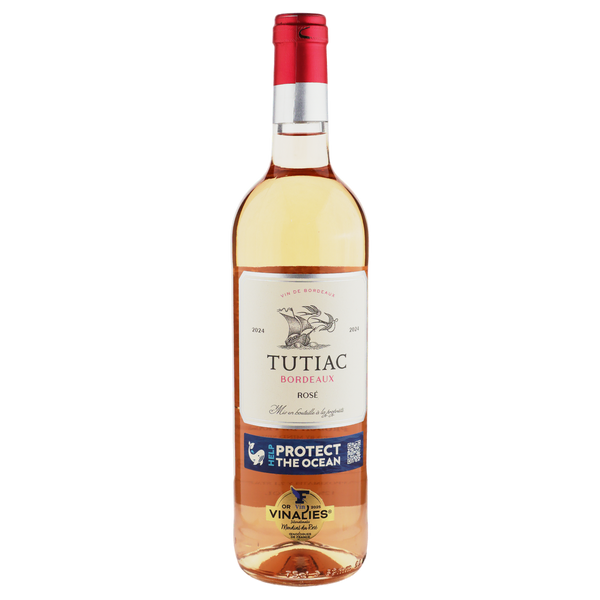 2022 Tutiac Rosé Bordeaux Rosé 12.5% 6 Pack $180.00
-
 Wirra Wirra Mrs Wigley Rosé 2026 6 Pack $120.00
-
 2022 Gilardi Ravelet VDP Rose Magnum $46.00
-
 2023 Gilardi Bertoulet VDP Rose $29.00
-
 Carpe Horam Rose 2025 6 Pack $192.00
-
 Marotti Campi Rosato IGP 2025 12 Pack $420.00
-
 Gordon Ramsay Tuscany Rosato 2022 6 Pack $138.00
-
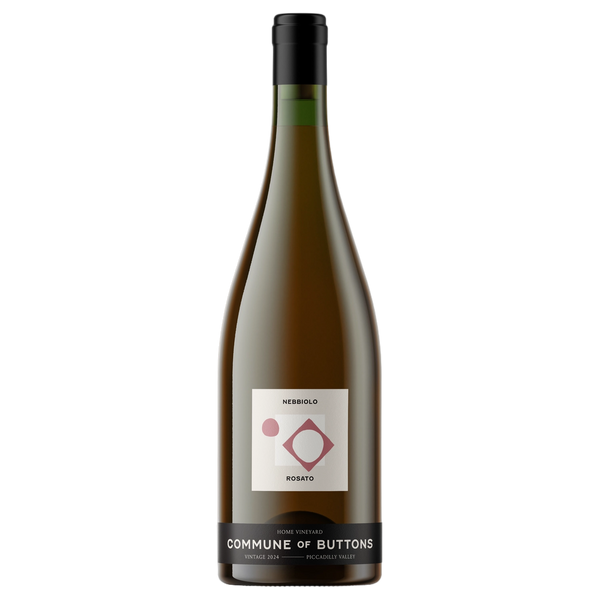 Commune of Buttons Nebbiolo Rosato 2024 $42.00
-
 Roncier Premium Rose NV $28.00
-
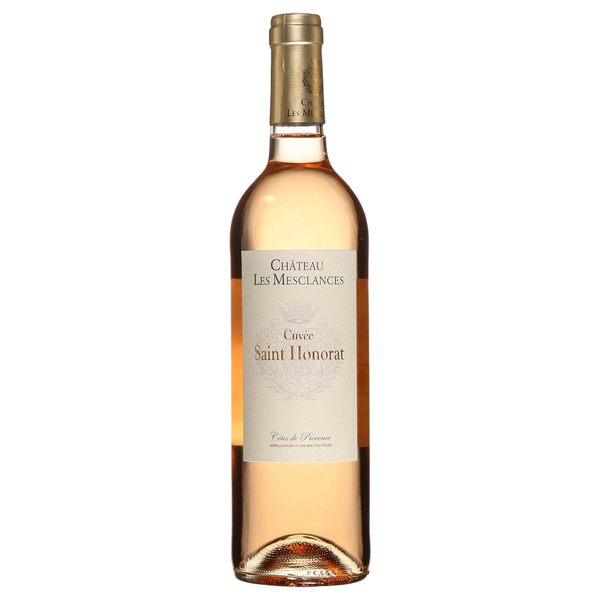 Les Mesclances St Honorat AOC Provence Rose 2021 $44.00


Buy Rosé Wine Online
Delicate in colour but far from shy in character, Rosé wine offers the perfect balance between freshness and flavour. With roots tracing back thousands of years, Rosé has seen a global resurgence in recent decades—becoming a go-to for wine lovers who appreciate its versatility, elegance, and easy-going nature. Whether you’re drawn to the pale, dry styles of Provence or prefer fruit-forward Australian Rosés, there’s a style to suit every palate and every occasion.
At The Wine Collective, we stock a handpicked selection of Rosé wines from Australia and around the world—each one tasted and rated by our expert panel. From casual weeknight sippers to bottles worthy of celebration, you’ll find the best Rosé wine to match your moment.
How Is Rosé Wine Made?
Rosé wine is typically made from red grape varieties, but unlike red wine, the skins are only left in contact with the juice for a short period, often just a few hours. This technique, known as maceration, gives Rosé its signature pink hue. The exact shade can range from barely-there blush to vibrant salmon depending on the grape variety and method used.
Some producers also use the saignée method, where Rosé is bled off from red wine fermentations to concentrate the red wine, while others blend red and white wines, though this latter method is generally reserved for sparkling Rosé wines.
What Are the Types of Rosé Wines?
Rosé wine styles can vary significantly depending on where they’re produced and the grapes used:
- Dry Rosé Wine: Crisp, mineral-driven, and refreshingly savoury—the classic French style.
- Off-Dry or Slightly Sweet Rosé: A hint of sweetness makes these styles approachable and fruit-forward.
- Sparkling Rosé: Bubbly Rosé wines like Australian sparkling or Champagne Rosé add celebratory flair.
- Provençal Rosé: Pale, bone-dry Rosé from Southern France, often made with Grenache, Cinsault and Mourvèdre.
- Australian Rosé Wine: Typically brighter and bolder, showcasing fruit like strawberries, watermelon and raspberry.
What Grapes Are Used to Make Rosé?
Rosé isn’t tied to a single grape — it can be crafted from almost any red varietal. Popular choices include:
- Grenache: Often used for its soft tannins and juicy red fruit profile.
- Sangiovese: A favourite for Italian Rosato wines, delivering a dry, savoury edge.
- Pinot Noir: Elegant, delicate, and often used in cooler-climate Rosés.
- Syrah (Shiraz): Adds body, spice and deeper colour in some Australian and Rhône-style Rosés.
- Cinsault and Mourvèdre: Commonly blended in Southern French Rosé for complexity and aroma.
Is Rosé Wine Sweet or Dry?
While Rosé’s pink colour might suggest sweetness, the majority of modern Rosé wines—especially those from Australia and Europe—are made in a dry style. These wines are crisp and refreshing with zesty acidity and subtle fruit notes. That said, sweeter Rosé styles are still available, often made from Muscat or Zinfandel grapes, and clearly labelled.
If you're unsure, look for tasting notes or chat with one of our Personal Wine Advisors who can help you find a bottle to match your taste.
What Food Goes Well With Rosé Wine?
Few wines are as food-friendly as Rosé. Its refreshing acidity, low tannin structure, and vibrant fruit character make it a flexible pairing partner across a wide range of cuisines:
- Light, dry Rosés pair beautifully with seafood, summer salads, grilled vegetables and soft cheeses.
- Fuller-bodied Rosés hold their own with charcuterie, roast chicken, and even lamb.
- Slightly sweet Rosés make an excellent match for spicy Asian dishes and lightly spiced curries.
- Sparkling Rosé is a festive option for brunch, appetisers, or creamy desserts.
What Is the Best Rosé Wine in Australia?
Australia has quickly earned a reputation for producing world-class Rosé. Leading regions include the Barossa Valley, McLaren Vale, Yarra Valley, and Margaret River, with each bringing a unique style and character.
Our expert tasting panel regularly reviews and scores Australian Rosé wines, highlighting standout bottles based on quality, balance, and value. Check out our curated collection of Rosé wine to discover your next favourite.
