
Some filters could not be applied and were reset.
- G de Guiraud (BIO ORGANIC) 2025 6 Pack $282.00
- Cabanne 2023 6 Pack $618.00
-
 Yquem 2022 $862.00
-
 Coutet Cuvée Madame 2003 $700.00
-
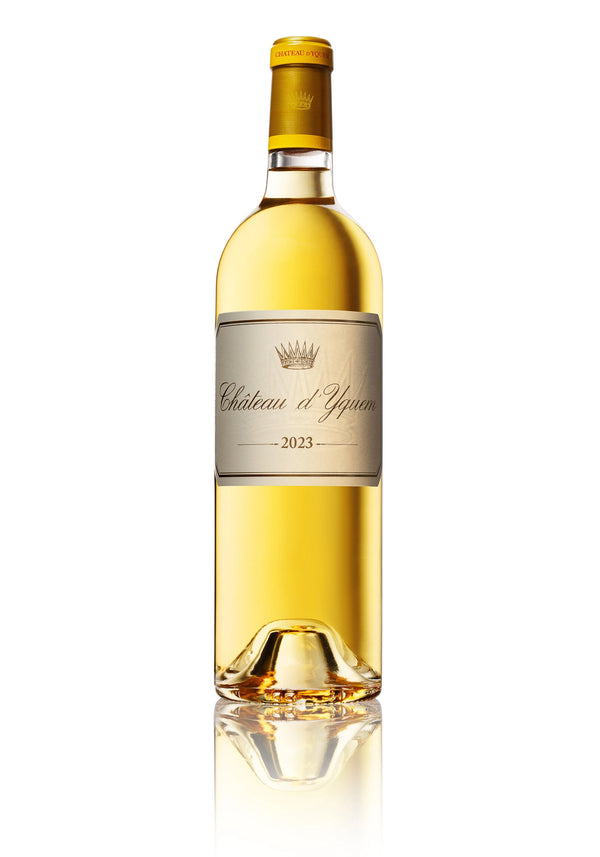 Yquem 2021 $913.00
-
 Yquem 2023 $862.00
-
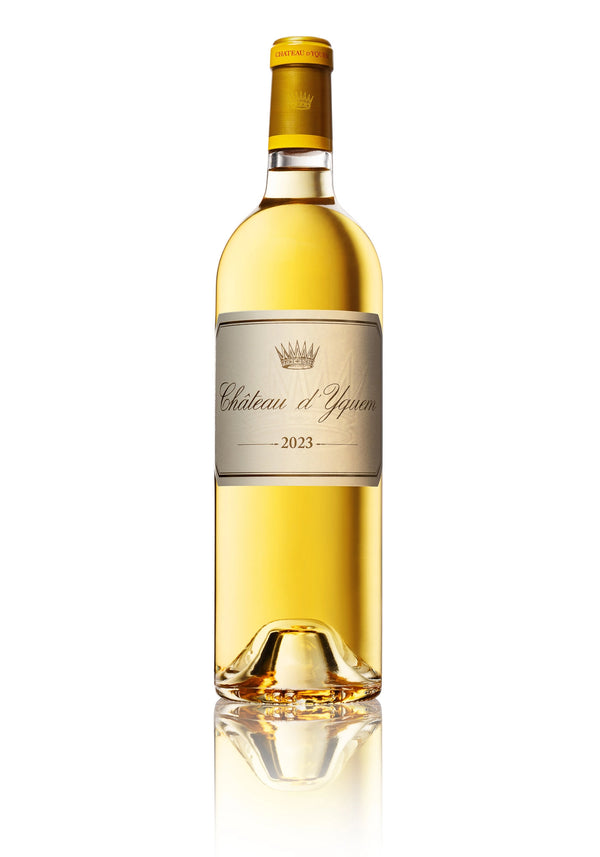 Yquem 1990 $1,249.00
-
 Yquem 2009 $1,283.00
-
 Yquem 1997 $997.00
-
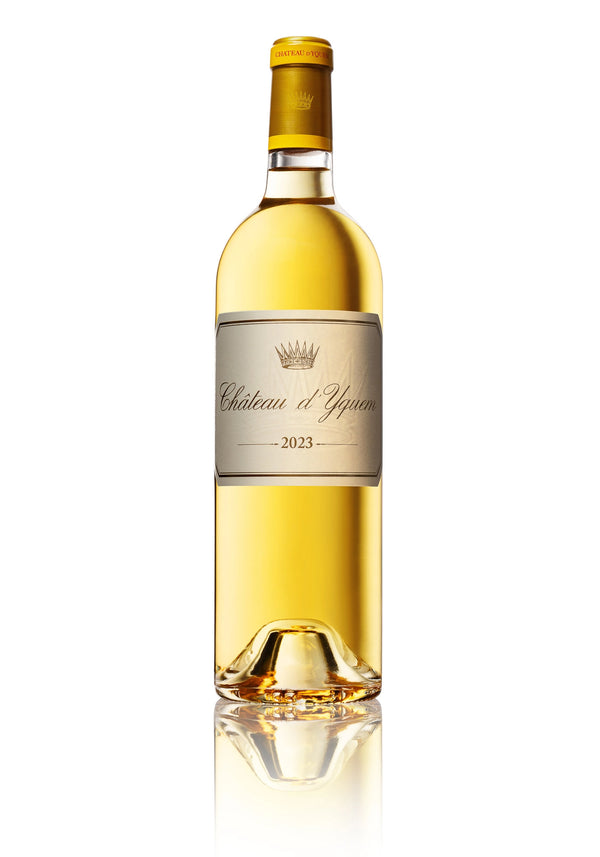 Sold out Yquem 1990 $1,249.00
-
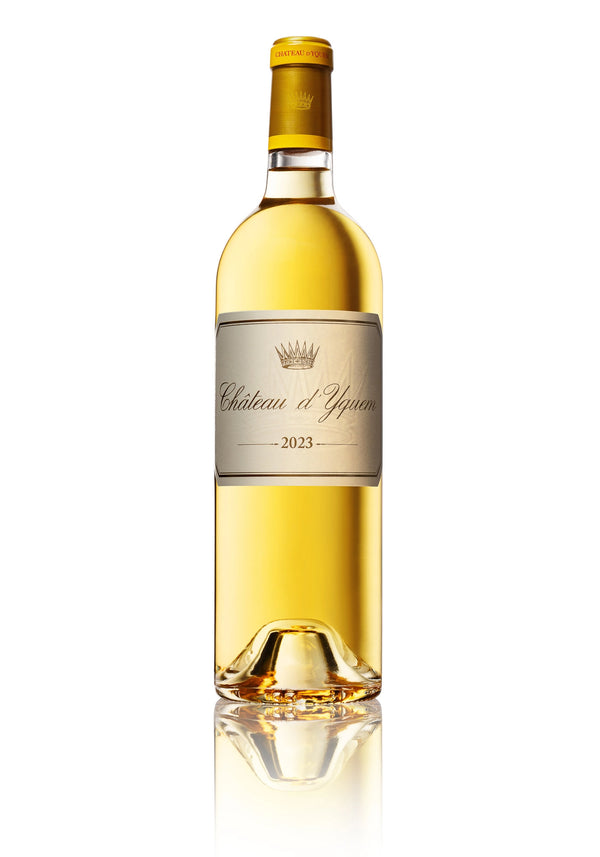 Sold out Yquem 1998 $1,115.00
-
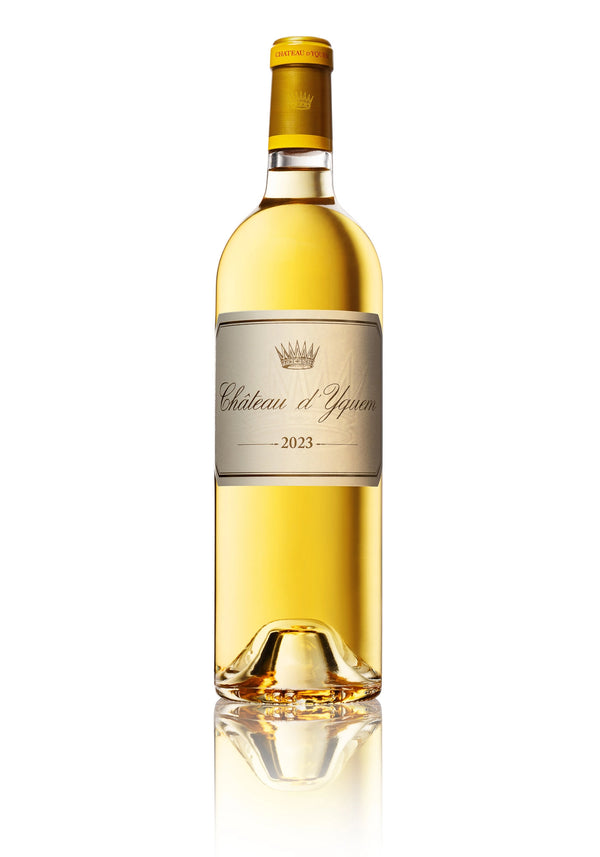 Yquem 2011 $1,064.00
-
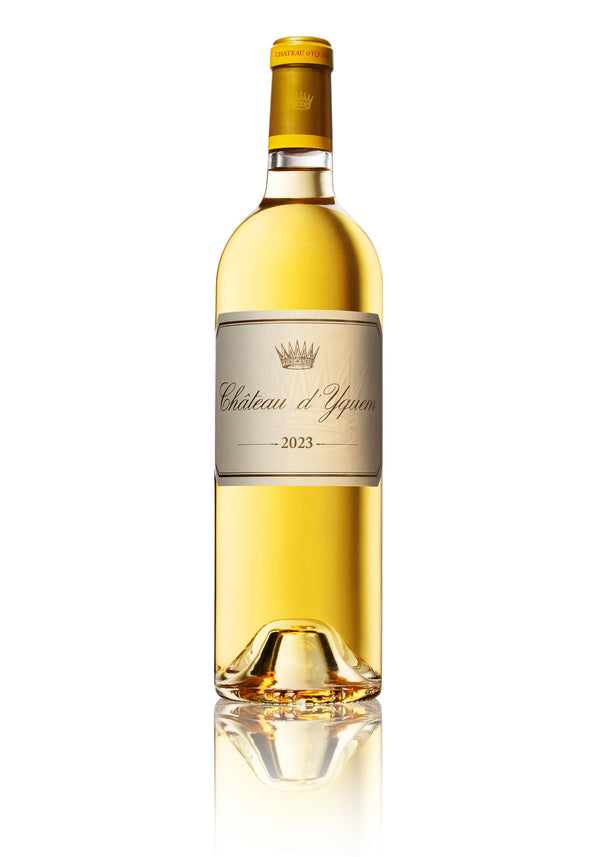 Yquem 2015 $1,098.00
-
 Yquem 2009 $1,283.00
-
 Yquem 2006 $1,064.00
-
 Yquem 2015 $1,098.00
-
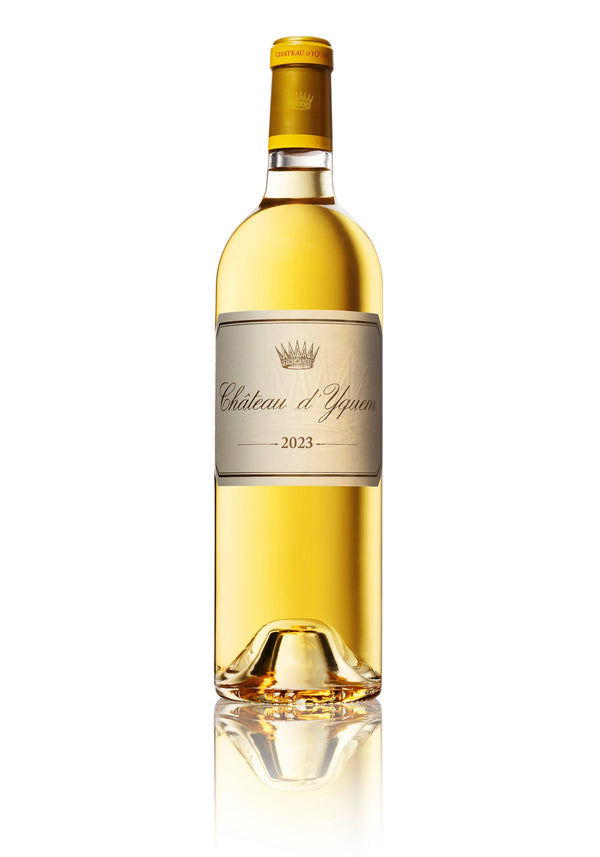 Yquem 2005 $1,283.00
-
 Sold out Yquem 1997 $997.00
-
 Yquem 2023 $862.00
-
 Yquem 2005 $1,283.00
-
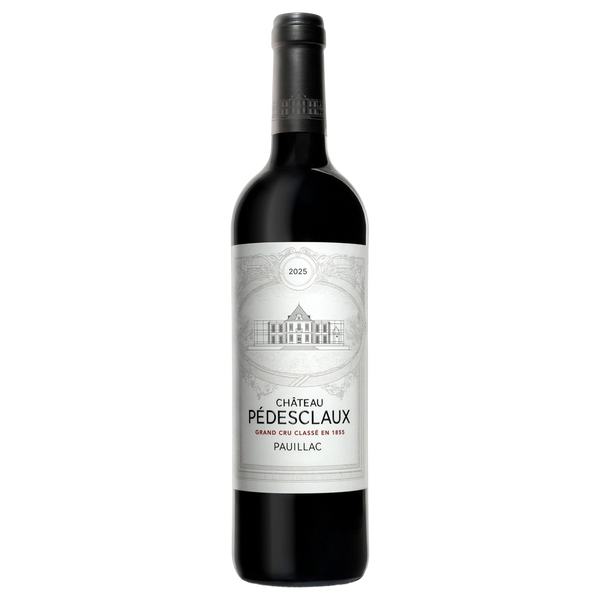 Pedesclaux (BIO ORGANIC) 2022 6 Pack $756.00
-
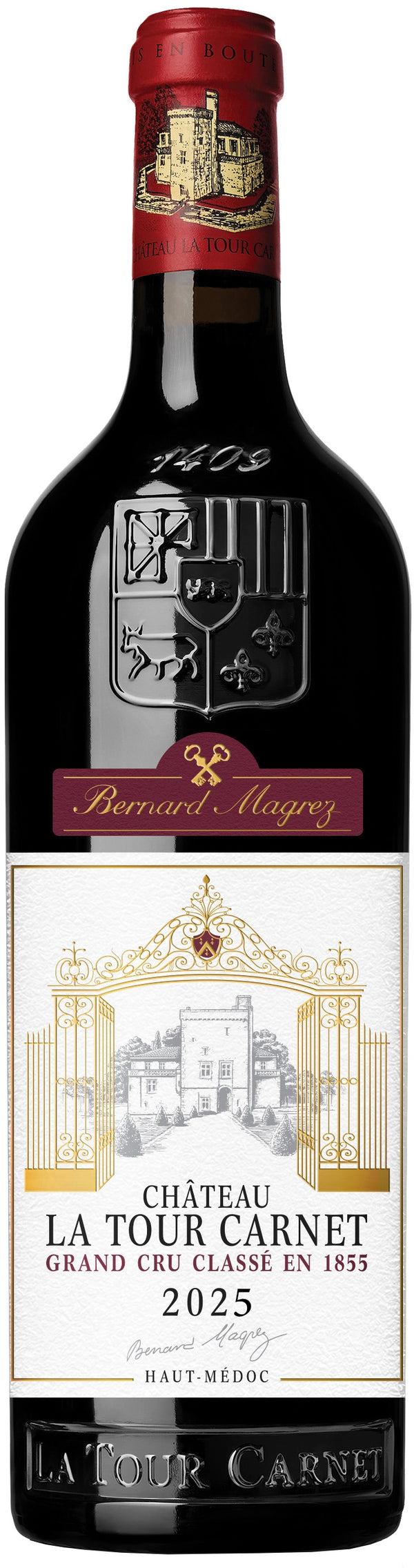 Tour Carnet 2023 6 Pack $480.00
-
 Clinet 2022 $310.00
-
 Fombrauge 2024 6 Pack $456.00


Explore the Bordeaux Wine Region
Bordeaux isn’t just one of France’s most famous wine regions; it’s a global benchmark for quality. Known for producing exceptional red, white, and dessert wines, Bordeaux combines centuries of winemaking tradition with a diverse range of terroirs and grape varieties. From the powerful reds of the Left Bank to the elegant, fruit-driven Merlots of the Right Bank, Bordeaux offers a wine for every palate.
What Makes Bordeaux Wines Special?
The Bordeaux wine region is renowned for its balance, complexity, and age-worthiness. Red Bordeaux wines, crafted primarily from Cabernet Sauvignon, Merlot, and Cabernet Franc, are admired for their structure and longevity. Meanwhile, white Bordeaux wines, often blends of Sauvignon Blanc and Sémillon, range from zesty and refreshing to rich and textural. And of course, dessert wines from Sauternes and Barsac are legendary for their luscious sweetness and elegance.
Unlike many regions focused on single varietals, Bordeaux thrives on blending. This approach allows winemakers to create harmonious wines that express the region’s diverse microclimates and soils.
Left Bank vs Right Bank: What’s the Difference?
Bordeaux is divided by the Gironde River into the Left Bank and Right Bank, each with its distinct personality:
- Left Bank wines, from appellations such as Médoc, Pauillac, and Margaux, rely heavily on Cabernet Sauvignon. They’re known for their firm tannins, deep flavours, and cellaring potential.
- Right Bank wines, from Saint-Émilion and Pomerol, feature more Merlot and Cabernet Franc, offering softer textures and vibrant, juicy fruit profiles.
This divide provides wine lovers with a broad spectrum of styles to explore.
What Are the Main Bordeaux Appellations?
Some key appellations within Bordeaux include:
- Médoc and Haut-Médoc: Home to prestigious Châteaux and structured reds.
- Graves and Pessac-Léognan: Producing both excellent reds and crisp, age-worthy whites.
- Saint-Émilion and Pomerol: Renowned for Merlot-dominant, approachable reds.
- Sauternes and Barsac: Famous for their world-class sweet wines.
Each appellation reflects Bordeaux’s incredible diversity, offering something unique for wine lovers.
Food Pairings for Bordeaux Wines
Bordeaux wines are famously food-friendly:
- Red Bordeaux pairs beautifully with roast lamb, beef, and rich stews.
- White Bordeaux complements seafood, goat cheese, and creamy chicken dishes.
- Sauternes shines with foie gras, blue cheese, or fruit-based desserts.
The region’s diversity makes it easy to find the perfect wine for any meal.
FAQs About Bordeaux Wine
What kind of wine is Bordeaux?
Bordeaux wines include red, white, rosé, and sweet styles, but the region is best known for its red blends of Cabernet Sauvignon and Merlot.
What makes Bordeaux wine region special?
Its unique combination of terroirs, centuries-old winemaking expertise, and focus on blending give Bordeaux wines their complexity, balance, and prestige.
Is Bordeaux wine expensive?
While some top labels fetch high prices, Bordeaux also offers affordable options from lesser-known appellations that still deliver excellent quality.
