
Some filters could not be applied and were reset.
-
 2025 Nigl Gruner Veltliner 'Gartling' $49.00
-
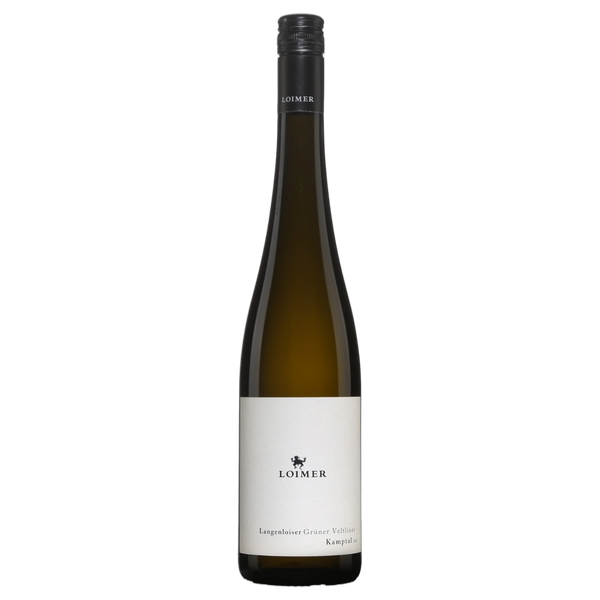 Loimer Kamptal Gruner Veltliner Dac 2025 $42.00
-
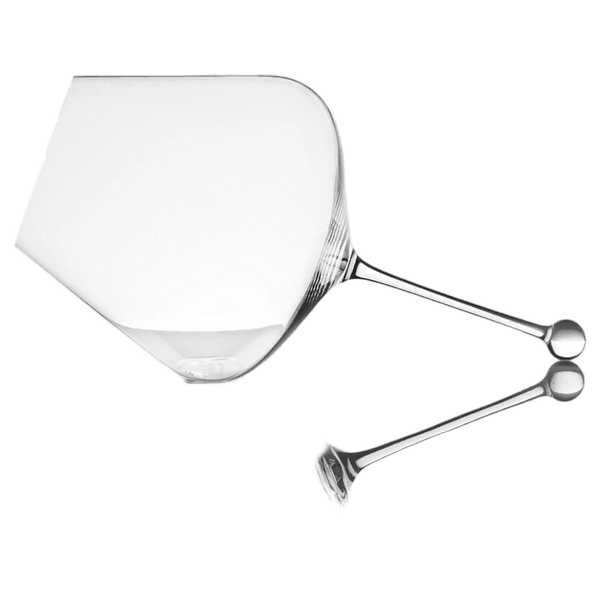 Zalto Gravitas Omega 6 Pack $3,090.00
-
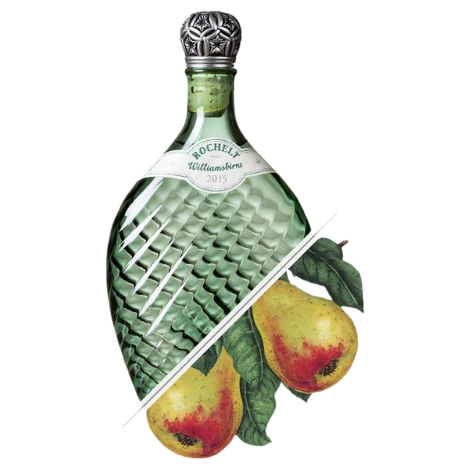 2015 Rochelt Williams Pear vintage 50% 700ML $1,032.00
-
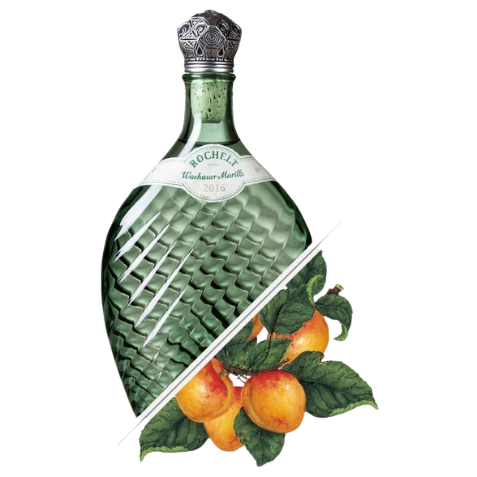 2016 Rochelt Wachau Apricot 50% 350ML $1,211.00
-
 2015 Rochelt Wild Plum from Piedmont vintage 50% 350ML $826.00
-
 Weingut Bernhard Ott Am Berg Grüner Veltliner 2024 $48.00
-
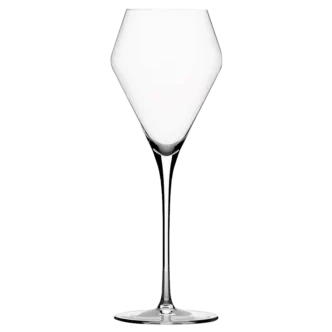 Zalto Sweet Wine Glass 6 Pack $465.96
-
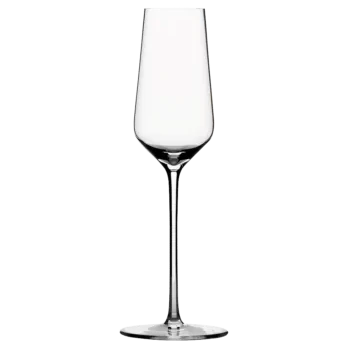 Zalto Digestive Glass 140ml 6 Pack $396.00
-
 Zalto Carafe No 67 $235.00
-
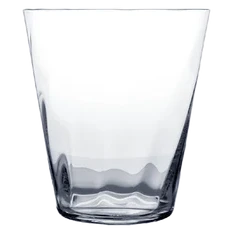 Sold out Zalto W1 Coupe Crystal Clear $314.00
-
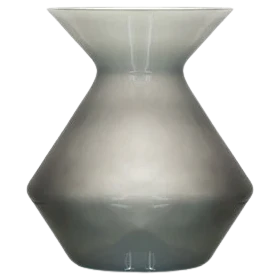 Zalto Spittoon 50 Grey $102.00
-
 2022 Weingut Bernhard Ott Grüner Veltliner Fass 4 $67.00
-
 Rochelt Fruit Brandy Glass 2cl $66.00
- Sold out 2021 Weingut Dorli Muhr Carnuntum $53.00
-
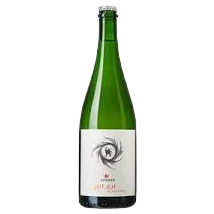 Loimer Pet-Nat Muskateller & Veltliner 2021 6 Pack $246.00


Austria is not a big wine producer by any means. In fact a good vintage in Bordeaux can yield just as much as the whole country. But the wines from Austria do provide a range of very unique Central European styles, and for a number of reasons. Firstly, despite Austria’s close proximity to Germany the climate is more extreme with cooler winters and warmer Summers. So Austrian wines are riper and more full-bodied than the German equivalent. What will come as a relief to some, Austrian wines are also far removed from the standard Germanic styles, being mainly dry. Importantly Austria does make a range of brilliant sticky wines as well but these are by and large lusciously sweet, in a similar manner to German Beerenausleses and Trockenbeerenausleses. They are also some of the best stickies in the world.
Another great feather in Austria’s cap is the variety of unique grapes she has to offer. Grüner Veltliner is the most famous of these with its dry and peppery fruit often combined with a rather attractive perfume. These are great food wines and a fine alternative to Riesling. Other widely planted grapes include Müller Thurgau, Welschriesling, Riesling (especially from the Wachau), Chardonnay and Pinot Blanc. Austria also has a variety of decent red grapes planted, such as Blaufränkisch, and Zweigelt, although its cold climate can make ripening difficult and in turn produce wines high in acidity.
Within Austria there are a number of quality wine producing regions. The largest is Niederösterreich including the regions of Kamptal, Kremstal and the Wachau, where Grüner Veltliner and Riesling can be exceptional. Burgenland is the second largest area, the most important wines of which come from near the shores of the Neusiedler See. Here autumn mists give the perfect conditions for the production of Botrytis rot and associated luscious dessert wines, which are made from a range of grape varieties, including Welschriesling, Pinot Gris and Gewürztraminer, among others. These are labelled in a similar manner to German wines with terms, such as Beerenauslese, ascribed to various levels of sweetness. The odd decent red can also be found in Burgenland, although not from near the lake where noble rot is prevalent.
